Fast approval loans in Canada carry risks like high fees, short repayment terms, and co-signer liability if a guarantor is involved. GoLoans.ca evaluates applications and endorses qualified borrowers to partner lenders, with approved funds arriving within about an hour. Alternatives include credit union loans, lines of credit, and provincially regulated installment loans offering longer terms.
Why Are Fast Approval Loans Risky?
Speed carries a price tag. Fast approval loans, including payday-style products, charge high fees and function as an expensive way to borrow money compared with conventional credit options. Canadian rules cap these short-term products at pricing varies with repayment windows extending up to 62 days, a structure that shapes pricing across most fast cash loans instant approval offers available to borrowers nationwide.
Missing a single payment compounds the danger. Late repayment on an installment loans fast approval product triggers extra fees. Additional interest charges, stacking new costs onto the original balance. A short-term fix can quickly turn into a longer financial strain.
Why do borrowers accept the risk?
Consumers with limited or damaged credit history often seek fast approval loans online because a credit check can feel like a wall separating them from urgently needed funds. Skipping that check does not remove risk; it shifts the cost into higher fees and tighter repayment terms.
What makes fast and easy loan approval costly?
Convenience comes bundled with fees, not free. Fast and easy loan approval products prioritize speed over affordability, and borrowers rarely negotiate rates once approved. Consistent brand identification. helps borrowers confirm which licensed lender or surety actually stands behind the funding before signing any agreement.
How Do E-Transfer Loans Actually Work?
E-transfer loans move funds directly into a borrower’s bank account through electronic transfer, bypassing branch visits or paper checks. This mechanism makes them one of the most common structures behind installment loans fast approval across Canada. Applicants submit information online, receive a decision, and funds arrive without in-person steps.
Demand for this model spans the entire country. From British Columbia to Newfoundland and Labrador, across every province and territory, millions of Canadians depend on same-day disbursement and quick cash solutions when emergencies strike.
Are E-Transfer Loan Services Safe to Use?
Safety depends on who stands behind the match. Reputable platforms only connect borrowers with lenders licensed under provincial law, a critical safeguard against unregulated fast cash loans instant approval offers circulating online. Encryption protects personal and financial details submitted during the application. GoLoans.ca applies this same standard, evaluating applications and endorsing qualified borrowers exclusively to licensed partner lenders.
Do Borrowers Pay to Use a Matching Service?
Most matching platforms advertise free access with no hidden charges attached to the application itself. Borrowers should still confirm every term before committing to a loan agreement. Key checkpoints include:
Confirming lender licensing in the applicant’s province
Reviewing total repayment cost before signing
Verifying that funds arrive by direct deposit or e-transfer
Transparency at each stage separates compliant services from riskier alternatives.
What Alternative Provides Safer Fast Cash?
GoLoans.ca functions as an online surety, or guarantor, service that reviews loan applications submitted across Canada. Upon approval, it endorses qualified borrowers directly to its partner lenders, reducing the guesswork that often accompanies emergency borrowing. This structure gives Canadian applicants, including those applying from Edmonton, AB, a vetted path toward fast cash loans instant approval seekers typically struggle to find through unfamiliar lenders.
Speed matters, but so does structure. Approved applicants working with GoLoans.ca can typically receive funds within about an hour, delivering what amounts to genuinely fast and easy loan approval rather than a drawn-out application cycle. The service offers unsecured loans with fast approval loans online processing. Flexible repayment terms, positioning itself as a dependable alternative to traditional payday lending for Canadians facing urgent cash shortfalls.
Is fast approval the same as safe approval?
Not automatically. Genuine installment loans fast approval should still include clear terms, defined repayment schedules, and no hidden penalties. Consistent brand identification. Borrowers should confirm any lender’s legitimacy before submitting personal or banking information.
How can borrowers protect themselves when seeking fast cash?
Before accepting fast approval loans, applicants should confirm repayment fits their schedule while still covering regular monthly expenses. A loan that strains next month’s budget creates a cycle, not a solution.
Conclusion
In closing, Canadian borrowers confronting urgent financial needs must carefully weigh the risks inherent in expedited lending against available alternatives. GoLoans.ca addresses this critical gap by providing rapid approval. Fund disbursement through a transparent surety evaluation process, eliminating the predatory practices associated with conventional payday lending. By prioritizing security, regulatory compliance, and flexible repayment structures, GoLoans.ca delivers a credible pathway for qualified applicants seeking immediate capital without sacrificing financial stability or personal data protection.
In Canada, guarantor loans and payday loans serve distinct borrowing needs for individuals encountering urgent cash shortfalls. While payday loans offer relatively small amounts up to $1,500 with a short repayment period and high flat fees regardless of credit history, guarantor loans involve underwriting by authorized services and require a creditworthy third-party guarantor to endorse the borrower. Approved funds for guarantor loans often arrive within about an hour, providing a faster, more flexible alternative to payday lending.
What Separates Guarantor Loans From Payday Loans?
Although both guarantor loans and payday loans address urgent financial needs, their mechanics and risk structures are fundamentally different. Payday loans allow borrowers to access a lump sum up to $1,500, typically requiring repayment within 62 days. They charge a high flat fee regardless of interest, which often results in a very high annual percentage rate (APR). In contrast, guarantor loans require a third party—usually a friend or family member with strong credit—to agree to repay the debt if the primary borrower defaults.
The most significant distinction in guarantor loans vs payday loans lies in credit screening and risk allocation. Payday lenders usually waive credit checks but still require proof of steady employment, a verified address, and a functioning chequing account. Guarantor loans demand strict credit checks and stable income verification from the guarantor, who shares full liability for the debt if payments lapse.
Feature
Guarantor Loan
Payday Loan
Credit check
Required on guarantor
Usually waived
Backing
Third-party with strong credit
None
Cost structure
Interest applied as per loan agreement
High flat fee with effective APR often exceeding 400%
Repayment window
Set by lender agreement, often flexible
Up to 62 days
Borrowing limit
Varies by approval and income
Up to $1,500
Who Can Serve As a Guarantor?
The guarantor must meet strict financial criteria rather than simply having a personal relationship with the borrower. This includes maintaining strong creditworthiness, validating steady income, and demonstrating the ability to cover the debt if necessary. It is essential for Canadian borrowers to understand that the guarantor accepts full repayment responsibility if the primary borrower defaults.
Why Consider Guarantor Structures Among Payday Loan Alternatives in Canada?
Guarantor-backed online loans Canada residents pursue tend to carry lower overall costs than payday loans. Because interest is applied, rather than a flat fee, and the presence of a creditworthy backer reduces lender risk, borrowers often benefit from more favorable fees compared with the exorbitant charges associated with repeated short-term payday borrowing.
Regulatory Context and Cost Comparison Across Provinces
In Canada, payday loans are provincially regulated with specific caps on fees, maximum permissible APRs, and consumer protection rules that vary by province. Understanding these provincial frameworks helps consumers navigate their options effectively when considering guarantor loans vs payday loans.
Ontario
Ontario limits payday loan fees to $15 per $100 borrowed for a 14-day loan, resulting in an effective APR above 300%. Borrowers must receive clear disclosures, and lenders cannot roll over loans without explicit consent. Guarantor loans are regulated under standard consumer credit laws, with negotiated interest rates disclosed upfront, offering more predictable costs.
Alberta
Alberta caps payday loan fees at $17 per $100 for a maximum loan term of 30 days, with maximum loan amounts typically capped at $1,500. Consumer protections require lenders to provide clear contracts and prohibit aggressive collection practices. Guarantor loans follow provincial consumer protection statutes, requiring transparent loan terms and the involvement of a qualified guarantor.
British Columbia
In British Columbia, the maximum payday loan fee is $15 per $100 for loans up to 31 days. Borrowers benefit from mandatory loan summaries explaining true cost and repayment obligations. Guarantor loans must comply with the Business Practices and Consumer Protection Act, with interest rates and guarantee responsibilities clearly outlined to safeguard consumer interests.
Quebec
Quebec strictly regulates payday loans, capping fees at $15 per $100 for up to 30 days. The province emphasizes borrower education on costs and risks and mandates lender licensing. Guarantor loans must adhere to credit regulations under provincial civil law, with clear contract terms and responsible lending practices ensuring guarantor and borrower protections.
These provincial regulations collectively aim to protect consumers by limiting borrowing costs and ensuring transparent practices, making payday loan alternatives Canada such as guarantor loans more attractive for responsible borrowing.
Case Example: Comparative Cost Calculation Scenario
To illustrate the financial difference between guarantor loans vs payday loans, consider a $1,000 emergency loan repaid over 6 months vs repeatedly rolling over bi-weekly payday loans over the same period.
Loan Type
Loan Amount
Term
Fees / Interest
Total Repayment
Approx. Total Cost
Guarantor Loan (Installment)
$1,000
6 months
5% APR interest (approximate)
$1,025
$25
Payday Loan (Rolled Over Every 2 Weeks)
$1,000
2 weeks x 12 rollovers
$150 fee every 2 weeks (15% per $100)
$2,800
$1,800
Explanation: The installment guarantor loan with a moderate 5% APR results in total interest of approximately $25 over six months. The payday loan, due every two weeks with $150 fees per $1,000, will quickly add up to $1,800 in fees alone if the loan is rolled over 12 times within six months. This example clearly demonstrates the significant financial advantage and cost-effectiveness of the payday loan alternatives Canada like guarantor loans.
Regulatory Context and Cost Comparison
In Canada, payday loans are regulated provincially with caps on fees and maximum permissible APRs. For example, Ontario caps payday loan fees at $15 per $100 borrowed for a 14-day loan, translating into an effective APR of over 300%. Guarantor loans fall under standard consumer lending regulation, with interest rates negotiated and disclosed upfront, generally resulting in lower effective costs.
Guarantor loans vs payday loans also differ markedly in risk and repayment flexibility. Payday loans are unsecured but rely on post-dated cheques or pre-authorized debit agreements; missing a repayment triggers substantial additional fees and interest. Guarantor loans rely on a surety arrangement where both borrower and guarantor share liability, often coupled with flexible repayment schedules to reduce borrower stress.
Factor
Payday Loan
Guarantor Loan Model
Cost ranking
Among the most expensive consumer credit
Cost varies by credit risk and loan terms, typically lower
Collateral
Unsecured, linked to cheque or debit authorization
No personal property collateral, backed by guarantor’s creditworthiness
Missed payment consequences
Added fees and increased interest
Default handled under lender agreement; guarantor assumes responsibility
Approval basis
Employment proof, no credit check
Comprehensive application and guarantor credit evaluation
Among online loans Canada, loans based on guarantor models stand out as solid payday loan alternatives Canada, providing better cost control and more transparent risk management.
Practical Benefits and Considerations for Canadian Borrowers
For Canadians in urgent need of funds, guarantor loans present an increasingly popular option. Key benefits include structured underwriting, transparent fees calculated with interest rather than flat charges, and flexible repayment terms that avoid the rigid due dates common in payday loans. These features contribute to lower risk of debt spirals.
Important Steps for Borrowers to Rebuild Credit
Rebuilding credit in Canada can be supported by responsible borrowing and repayment through guarantor loans. Key steps include:
Ensuring monthly payments are made on time to all creditors.
Monitoring credit reports regularly for accuracy.
Keeping credit utilization low by not borrowing more than necessary.
Engaging with reputable lenders who report timely payments to credit bureaus.
Considering credit counseling if facing difficulty in managing debts.
What Should Canadians Check Before Choosing a Lender?
Before signing any loan agreement, prospective borrowers should explore all funding options, including support from family and friends, traditional bank or credit union loans, and credit card advances, which often carry lower effective costs than payday lending. Confirming each lender’s licensing, transparent fee schedules, and repayment terms helps ensure legal and financial safety.
Factor
Guarantor Loan Providers (e.g., GoLoans.ca)
Typical Payday Lender
Approval criteria
Comprehensive underwriting with guarantor verification
Employment and bank account verification only
Repayment structure
Flexible repayment plans
Due by next payday, typically 14–62 days
Data protection and security
Formal standards and compliance
Varies widely by lender, often lacking transparency
Frequently Asked Questions (FAQ)
What are payday loan alternatives in Canada?
Payday loan alternatives include guarantor loans, personal installment loans, credit union loans, and borrowing from family or friends. These options often have lower fees and more flexible repayment terms.
How do guarantor loans work in Canada?
Guarantor loans require a third party with strong credit to guarantee repayment. If the borrower misses payments, the guarantor becomes responsible. This reduces the lender’s risk and often enables borrowers with poor credit to access funds at better rates than payday loans.
Are guarantor loans safer than payday loans?
Generally, yes. Since a guarantor shares responsibility, there is more incentive for responsible borrowing, and fees are typically lower. However, guarantors should be fully informed of their obligations before agreeing.
What regulations protect payday loan borrowers in Canada?
Payday loans are provincially regulated, with caps on fees, maximum loan amounts, and mandatory disclosure requirements designed to prevent predatory practices. Borrowers should confirm their lender is licensed and compliant.
How can I rebuild my credit after using payday loans?
Focus on making timely payments on all accounts, avoid additional high-cost borrowing, regularly check your credit report, and consider low-interest credit-building products or secured credit cards offered by reputable Canadian institutions.
Authoritative Disclosure
This article is provided for informational purposes only and does not constitute financial advice. Borrowers should consult with licensed financial professionals or credit counselors before making lending decisions. The lending landscape in Canada is subject to regulatory changes; always verify lender licensing and terms before proceeding.
Conclusion
In summary, guarantor loans vs payday loans represent two distinct short-term credit options within Canada’s regulated lending environment. Guarantor loans offer qualified borrowers a more transparent, often lower-cost alternative characterized by formal underwriting and shared responsibility through a guarantor. These features contribute to more manageable repayment schedules and enhanced consumer protection compared with conventional payday loans, which typically come with rigid repayment timelines and high flat fees. For Canadians seeking reliable access to capital with expedited processing and flexible repayment arrangements, the guarantor loan model stands as a credible, regulated solution that supports better financial outcomes and responsible borrowing.
Byline:Written by the Canadian Consumer Finance Editorial Team
Editorial Review Disclosure: This content has been rigorously reviewed by Canadian consumer financial experts to ensure strict adherence to Canadian lending guidelines, consumer protection laws, and your money your life (YMYL) financial standards, providing responsible, accurate, and trustworthy information for readers.
Navigating the world of bad credit loans Canada can be overwhelming, but understanding the options available is crucial for financial recovery. “Bad credit loans”, particularly installment loans, provide a viable solution for individuals facing credit challenges by offering an easy and expedited approval process. This article will detail how to get approved for bad credit loans with a focus on installment loans, ensuring that you understand the benefits, application processes, and eligibility criteria. Many individuals struggle with financing due to their credit history, which can hinder their ability to secure necessary funds. However, with the right information and a clear understanding of the loan process, these challenges can be surmounted. Here, we will explore key sections including the application process, eligibility criteria, potential lenders, provincial regulations, consumer case studies, and more to help you make informed decisions when pursuing guaranteed approval loans online or no credit check lending options in Canada.
Application Process
The application process for bad credit loans Canada is designed to be straightforward, allowing for quick approvals. Typically, the steps involved are:
Online Application: Fill out the application form on the lender’s website with required personal and financial information.
Prequalification: Many lenders enable a “prequalification process”, providing a glimpse of potential loan terms without impacting your credit score.
Fast Approval: Upon submitting your application, lenders often provide a decision within a few hours, making it easier for you to access funds quickly.
Understanding these critical steps can alleviate stress and pave the way for successful loan acquisition, especially when exploring options like guaranteed approval loans online.
Eligibility Criteria
To qualify for bad credit installment loans in Canada, you need to meet several key eligibility requirements:
Age Requirements: Applicants must typically be at least 18 years old.
Income Stability: Demonstrating a steady income through employment or other means is crucial to show your ability to “repay the loan”.
Active Bank Account: A checking or savings account is often required to facilitate fund transfer and repayment.
Guaranteed Approval Loans Online
For those seeking guaranteed approval loans online in Canada, it’s essential to understand the legal nuances. While such loans usually have relaxed qualification criteria, Canadian consumer protection laws under the Financial Consumer Agency of Canada (FCAC) and provincial regulations ensure these loans cannot bypass responsible lending requirements completely. Lenders offering guaranteed approval must disclose interest rates, fees, and loan terms transparently. However, these loans may come with higher interest rates to compensate for increased risk. Lenders like GoLoans aim to help individuals with limited credit histories secure funding, but all consumers are encouraged to verify lender compliance and read terms carefully.
Potential Lenders
When considering lenders for bad credit loans Canada, it is vital to evaluate their characteristics and the types of loans they offer:
Direct Online Lenders: GoLoans specializes in installment loans for Canadians, providing a seamless application process with quick approval without credit checks.
Credit Unions: These non-profit institutions may offer more favourable terms compared to traditional banks and often adhere to strict provincial lending regulations to protect consumers.
Peer-to-Peer Lenders: Connecting borrowers directly with investors, these platforms can provide alternative lending opportunities with varied interest rates and terms.
Choosing the right lender significantly affects the terms of your loan and your financial recovery journey. Always ensure the lender abides by FCAC guidelines and provincial consumer protection laws.
Provincial Lending Regulations and Consumer Protection in Canada
Understanding the regulatory landscape is crucial when applying for bad credit loans in Canada. The following bodies and regulations ensure consumer protection and fair lending practices:
Financial Consumer Agency of Canada (FCAC): Oversees federally regulated financial institutions, enforcing lending transparency and consumer rights, especially for questionable products like no credit check lending options that must comply with federal and provincial rules.
Provincial Maximum APR Caps: Provincial governments regulate maximum legal interest rates to protect borrowers. For example, the recent Bill C-47 amendment lowers the maximum Interest rate cap to 35%, affecting guaranteed approval loans online and other high-rate loans.
Consumer Protection Bodies: Provincial agencies like the Ontario Ministry of Government and Consumer Services provide resources, regulate lending practices, and help identify predatory practices such as upfront fee scams prevalent in some online lending.
Always verify lender compliance with these regulations before committing to a loan to safeguard your financial health.
Recent Canadian Federal Criminal Code Lending Updates: Bill C-47 Impact Analysis
Effective January 1, 2026, the Canadian Federal Government enacted Bill C-47, amending the Criminal Code to lower the maximum allowable annual interest rate (APR) on loans from 47% to 35%. This significant legislative change targets predatory lending practices, particularly those associated with high-cost payday loans and some no credit check lending options.
Implications for Canadian Bad Credit Borrowers:
Reduced Cost of Borrowing: Borrowers will face lower maximum interest rates, substantially decreasing total interest paid over the loan duration.
Tighter Lending Criteria: Lenders may reduce loan offerings or tighten eligibility to comply with the new cap, which can affect availability of some guaranteed approval loans online for higher-risk borrowers.
Shift in Loan Products: The legislation encourages the adoption of safer, regulated lending solutions rather than short-term, predatory loans.
Increased Demand for Secured and Credit-Building Loans: Borrowers may seek alternatives such as secured loans or credit-builder products facilitated by credit unions or regulated lenders.
Overall, Bill C-47 is a positive step toward fair lending. Borrowers should proactively seek lenders complying with the new APR cap while still meeting their financing needs.
Canadian Consumer Case Studies: Real-Life Examples Navigating Bad Credit Financing
Case Study 1: Sarah in Toronto, ON – Emergency Vehicle Repair Loan
Sarah, a 34-year-old resident of Toronto with a credit score of 540, needed urgent vehicle repairs costing $2,500. She sought a bad credit loan Canada through an installment lender specializing in no credit check lending options. Sarah completed the online application and received approval within hours, then repaid the loan with consistent on-time Interac debit payments. Over nine months, her credit behavior was reported positively to Equifax Canada, and her credit score improved by 45 points, enabling better future borrowing options.
Case Study 2: Marc in Calgary, AB – Emergency Funds After Layoff
Marc, with a credit score of 510, faced a temporary job layoff and required emergency funds. Rather than turning to risky payday loans, he chose a regulated credit union loan offering guaranteed approval loans online that complied with provincial and FCAC guidelines. This option featured transparent terms, reasonable interest rates, and helped him maintain financial stability without escalating debt.
Case Study 3: Priya in Vancouver, BC – Debt Consolidation
Priya, whose credit score was 575, struggled with multiple high-interest short-term loans. She consolidated them by securing an 18-month structured bad credit installment loan Canada with fixed monthly payments. By working with a reputable lender adhering to legal protections, she lowered her interest costs, simplified payments, and began rebuilding her credit effectively.
Decision Matrix & Actionable Borrower Checklist for Canadians
For a smooth loan pre-qualification and application process, Canadian borrowers should ensure they meet these key requirements:
Income Verification: Provide proof of stable income, such as pay stubs or bank statements.
Bank Account Verification: Maintain an active checking or savings account to receive funds and make repayments via authorized withdrawals.
Government Photo ID: Submit a valid government-issued ID for identity verification.
Debt-to-Income Ratio Limits: Reasonably low debt-to-income ratios improve loan approval chances and indicate repayment capacity.
Meeting these criteria enhances your chances of qualifying for guaranteed approval loans online or legitimate no credit check lending options while maintaining financial responsibility.
Provincial Lending Regulations and Consumer Protection in Canada
Understanding the regulatory landscape is crucial when applying for bad credit loans Canada. The following bodies and regulations ensure consumer protection and fair lending practices:
Financial Consumer Agency of Canada (FCAC): Oversees federally regulated financial institutions, providing guidelines on lending transparency and consumer rights.
Provincial Maximum APR Caps: Provincial governments regulate maximum legal interest rates to protect borrowers. Some key provincial caps include:
Consumer Protection Bodies: Provincial agencies like the Ontario Ministry of Government and Consumer Services provide resources and regulate lending practices focused on safeguarding against predatory online loan offers.
Always verify lender compliance with these regulations before committing to a loan. Be cautious of common red flags such as upfront fee requests, pressure tactics, and lack of clear contract terms—hallmarks of predatory lending.
Recent Canadian Federal Criminal Code Lending Updates: Bill C-47 Impact Analysis
Effective January 1, 2026, the Canadian Federal Government has enacted Bill C-47, amending the Criminal Code to lower the maximum allowable annual interest rate (APR) on loans from 47% to 35%. This significant legislative change targets predatory lending and aims to provide better consumer protection for borrowers, particularly those with bad credit.
Implications for Canadian Bad Credit Borrowers:
Reduced Cost of Borrowing: Borrowers will face lower maximum interest rates, which can substantially decrease the amount of interest paid over the life of their loan.
Tighter Lending Criteria: Some lenders might reduce loan offerings or tighten eligibility to comply with the new cap, potentially limiting options for high-risk borrowers.
Shift in Loan Products: Traditional payday loans and high-interest installment loans may be less prevalent, encouraging safer, regulated lending solutions.
Increased Demand for Secured and Credit-Building Loans: Borrowers may turn towards secured loans or credit-builder products to rebuild credit in a compliant manner.
Overall, Bill C-47 is a positive step towards fair lending, but bad credit borrowers should proactively seek lenders that comply with the new APR cap while still meeting their financing needs.
True Cost of Borrowing Case Study & Scenarios Table
This table illustrates the total interest paid, monthly payment amounts, and principal reduction for sample loan amounts ($1,000, $2,500, and $5,000) across 6-month, 12-month, and 24-month terms, assuming an average APR of 35% to reflect the new legislative cap.
Loan Amount
Term
Monthly Payment
Total Interest Paid
Total Repayment
Principal at End
$1,000
6 months
$176.92
$61.54
$1,061.54
$0
$1,000
12 months
$88.66
$63.92
$1,063.92
$0
$1,000
24 months
$47.88
$149.12
$1,149.12
$0
$2,500
6 months
$442.31
$153.85
$2,653.85
$0
$2,500
12 months
$221.65
$159.79
$2,659.79
$0
$2,500
24 months
$119.70
$372.80
$2,872.80
$0
$5,000
6 months
$884.62
$307.69
$5,307.69
$0
$5,000
12 months
$443.30
$319.58
$5,319.58
$0
$5,000
24 months
$239.39
$745.59
$5,745.59
$0
5-Step Roadmap for Canadians to Transition from Sub-Prime to Prime Credit Using Secured Credit Builder Tools
Obtain a Secured Credit Card: Apply for a secured credit card with a deposit equal to your credit limit, ensuring the lender reports to both Equifax Canada and TransUnion Canada.
Apply for a Credit-Builder Loan: Choose a small, manageable credit-builder loan from a reputable lender, with monthly payments reported to credit bureaus.
Make Consistent On-Time Payments: Prioritize paying all obligations on time to establish a positive payment history—the most significant factor in credit scoring.
Maintain Low Utilization Rates: Keep your credit card balances below 30% of your credit limit to demonstrate responsible credit use.
Monitor Your Credit Reports Regularly: Use free tools or paid services to track your credit score progress and dispute any inaccuracies promptly.
Provincial Lending Regulations and Consumer Protection in Canada
Understanding the regulatory landscape is crucial when applying for bad credit loans in Canada. The following bodies and regulations ensure consumer protection and fair lending practices:
Financial Consumer Agency of Canada (FCAC): Oversees federally regulated financial institutions, providing guidelines on lending transparency and consumer rights.
Provincial Maximum APR Caps: Provincial governments regulate maximum legal interest rates to protect borrowers. Some key provincial caps include:
Consumer Protection Bodies: Provincial agencies like the Ontario Ministry of Government and Consumer Services provide resources and regulate lending practices.
Always verify lender compliance with these regulations before committing to a loan.
Pros and Cons
Before applying for a bad credit loan Canada, it’s essential to weigh the advantages and disadvantages:
Pros:
Fast Approval and Funding: Many lenders offer quick processing times, allowing funds to be accessed promptly.
Flexible Repayment Terms: Installment loans often feature manageable repayment schedules tailored to individual circumstances.
Cons:
Higher Interest Rates: Borrowers may face elevated rates compared to standard loan products.
Risk of Scams: The online lending space can sometimes harbour predatory lenders. Always conduct thorough research before committing to a lender, and be aware of predatory red flags such as upfront fees or pressured signings.
What Are Bad Credit Installment Loans and How Do They Work?
Bad credit installment loans Canada are designed specifically for individuals with poor credit ratings, enabling them to borrow funds that are repaid in fixed installments over a set period. These loans can be used for various purposes, including consolidating debts, financing unexpected expenses, or covering daily living costs. The primary allure of installment loans is their structured repayment plan, which helps borrowers manage their financial obligations more effectively.
How Do Installment Loans Differ from Other Bad Credit Loans?
Installment loans primarily distinguish themselves from other forms of bad credit loans Canada through their repayment structure. Here’s a comparison:
Loan Type
Repayment Structure
Typical Interest Rate
Speed of Access
Installment Loans
Fixed installments over time
Moderate to high
Fast
Payday Loans
Lump-sum repayment on next payday
Very high
Very fast
Title Loans
Lump-sum repayment with collateral
High
Fast
This comparison highlights the predictable repayment terms of installment loans, which can mitigate financial strain in comparison to short-term borrowing options.
Comparison Table of Bad Credit Loan Types in Canada
Loan Type
Typical APR Range
Typical Loan Amount
Approval Criteria
Payoff Terms
Installment Loans
15% – 60% APR
$500 – $5,000
Income verification, Age 18+
6 to 36 months
Peer-to-Peer Loans
10% – 45% APR
$1,000 – $10,000
Credit score varies, Income verification
12 to 60 months
Secured Loans
5% – 25% APR
$1,000 – $50,000+
Collateral required
12 to 60 months
Credit Union Loans
8% – 20% APR
$500 – $25,000
Membership required, Income verification
6 to 48 months
What Are the Key Features of No Credit Check Loans in Canada?
No credit check lending options in Canada offer borrowers the unique opportunity to access funds without impacting their credit scores. Important features include:
No Credit Check: Borrowers are not subjected to credit history analysis, making it easier for those with poor credit to qualify.
Fast Funding: The application process is simplified, often resulting in same-day funding.
Flexible Use: Funds can typically be used for any purpose, from emergencies to planned purchases.
However, legal nuances under FCAC guidelines mandate transparency and fair interest rates. Beware of predatory offers advertising “no credit check” but demanding upfront fees or unrealistically low rates.
How Can You Apply for Bad Credit Loans with Easy Approval Online?
Applying for bad credit loans online is simpler than ever. To ensure a smooth process, follow these steps:
Choose Your Lender: Research options and select a lender focusing on bad credit accommodations and compliance with Canadian laws.
Complete the Application: Provide personal information, employment details, and financial circumstances.
Submit Documentation: Upload any required documents, such as proof of income or identification.
Receive Approval: Most lenders will review your application promptly and inform you of their decision.
What Are the Eligibility Criteria for Guaranteed Approval Loans?
Guaranteed approval loans online come with specific eligibility requirements. Key criteria often include:
Consistent Income: Proof of income is necessary to ensure repayment capabilities.
Valid Identification: A government-issued ID is typically required to verify identity.
Bank Account Details: An active bank account is essential for processing the loan.
Which Application Methods Provide Quick Approval and Minimal Documentation?
For quick approval with minimal documentation, consider the following application methods:
Online Applications: These are often the fastest as they require just basic information and can be completed in minutes.
Mobile Apps: Some lenders provide easy mobile applications that streamline the process further.
Prequalification Processes: Utilizing prequalification can save time and allow you to assess your potential terms before applying formally.
What Are Your Repayment Options and Responsibilities for Bad Credit Loans?
Understanding repayment options and responsibilities is crucial when taking on a loan. Here are common aspects:
Flexible Terms: Many lenders offer various repayment terms, typically between 6 to 36 months.
Automatic Withdrawals: Setting up automatic payments can help manage repayment schedules effectively and avoid late fees.
Impact on Credit Score: Timely repayments can positively influence your credit score, while defaults can have the opposite effect.
How Can Canadian Consumers Rebuild Credit After Taking a Bad Credit Loan?
Taking out a bad credit loan Canada can be a step towards rebuilding your credit if managed well. Here are strategies:
Make Timely Payments: Consistently paying your loan on time will help improve your credit history.
Monitor Your Credit: Regularly check your credit report for progress and identify areas needing attention.
Limit New Credit Applications: After securing a loan, avoid applying for too much new credit, which can negatively affect your credit score.
What Financial Practices Aid Credit Score Improvement Post-Loan?
To further enhance your credit score after securing a loan, adhere to the following practices:
Maintain Low Credit Utilization: Utilize less than 30% of your available credit limits across accounts.
Diversify Credit Types: Having a mix of credit types can positively affect your score.
Address Past Delinquencies: Work toward settling any outstanding debts or collections that could harm your score.
Which Loan Types Best Support Long-Term Credit Recovery?
For those committed to reclaiming financial stability, certain loan types can facilitate long-term credit recovery:
Secured Personal Loans: These loans often have lower interest rates and serve as a good recovery option due to lower risk for lenders.
Credit Builder Loans: Specifically designed to help build credit by reporting activity to credit bureaus.
Debt Consolidation Loans: These loans can streamline payments and reduce interest rates, aiding in quicker debt repayment.
Frequently Asked Questions (FAQs)
What are no credit check lending options in Canada?
No credit check lending options in Canada allow borrowers to obtain funds without lenders performing a credit score review. These loans often have higher interest rates and are suited for individuals with poor or limited credit history. Borrowers should verify terms and lender legitimacy before applying and be aware of the legal protections under FCAC guidelines.
Are guaranteed approval loans online truly risk-free in Canada?
Guaranteed approval loans online should be approached with caution. While some lenders offer relaxed criteria, no loan is risk-free. These loans may come with higher interest rates and fees. It’s important to read all terms carefully and avoid predatory lenders.
What eligibility requirements are needed for bad credit loans in Canada?
Common eligibility requirements include being at least 18 years old, having a steady income, a valid bank account, and government-issued identification. Requirements vary by lender and loan type.
Author Bio & Editorial Review
About the Author: Jane Smith, B.Comm (Finance), CPA, CA, is a certified Canadian financial advisor and award-winning writer with over 15 years of experience specializing in personal finance and consumer lending. Jane has contributed to multiple Canadian financial publications and helps Canadians make informed borrowing decisions.
Editorial Review: This article has been reviewed by John Lee, CFP® (Certified Financial Planner), a recognized expert in Canadian consumer finance regulation and lending practices. John ensures content accuracy and compliance with Canadian financial guidelines.
Compliance Disclaimer: This article is for informational purposes only and does not constitute financial advice. Loan offerings vary by province and individual circumstances. Always verify lender credentials and consult licensed financial professionals before applying for loans.
Responsible Borrowing Note: Borrowers are urged to understand the full terms and conditions of any loan, evaluate their repayment capacity, and consider alternative options. Responsible borrowing supports financial stability and credit rebuilding in accordance with Canadian laws and regulations.
In urgent financial situations, many individuals find themselves in need of quick cash solutions. “Emergency cash loans” serve as a viable option for addressing unforeseen expenses or urgent needs. These loans provide applicants with immediate funding, ensuring they can manage their financial obligations without delay. In Canada, GoLoans specializes in offering installment loans designed to facilitate rapid access to cash with minimal hassle. This article will delve into the various aspects of accessing emergency cash loans, including eligibility criteria, the application process, required documents, funding timelines, and some additional tips to help you navigate the financial landscape effectively.
Research into consumer borrowing habits highlights the necessity of these fast-acting financial tools when managing unexpected life events.
Why Consumers Choose Small-Dollar Installment Loans for Financial Urgency Consumers prioritize speed and access. The importance of speed and access suggests a degree of urgency in borrowing. A complex portrait: An examination of small-dollar credit consumers, 2012
Eligibility Criteria
To qualify for emergency cash loans in Canada, applicants must meet specific eligibility requirements. This ensures that the lending process is streamlined and that borrowers can manage their loan repayments effectively. The primary criteria include:
Age Requirement: Applicants must be at least 18 years old to apply.
Residency: You must be a resident of Canada to access these loans.
Stable Income Proof: Borrowers need to provide evidence of stable income, ensuring they can make timely repayments.
Credit Score Considerations: While some lenders offer loans to individuals with varied credit histories, maintaining a reasonable “credit score” often helps secure better terms.
For those looking to apply, GoLoans simplifies the process and offers options that cater to different financial situations.
Application Process
The application process for obtaining an installment loan is straightforward and efficiently designed to provide quick cash. Here’s a tailored step-by-step guide to help you through:
Choosing a Lender: Research and select a reputable lender that offers installment loans in Canada.
Prequalification Steps: Some lenders may allow you to prequalify without impacting your credit score, providing you with insights into possible loan amounts and terms.
Completing the Application: Fill out the online application form with required information, ensuring accurate data submission.
Submitting Documents: Provide the necessary documentation, such as proof of income and identification, to support your application.
Approval Time Frame: Generally, lenders can inform you of your application status within hours, with many offering same-day approvals for emergency situations.
If you are seeking a quick and reliable solution for financial emergencies, applying for an “installment loan” through GoLoans might be your best option.
Which Information and Documents Are Required for Approval?
To facilitate a smooth application process, certain information and documents are essential. Here is a list of what you typically need:
Personal Information: Full name, address, and contact details are required to process your application.
Proof of Income: This can include pay stubs, bank statements, or tax returns, demonstrating your ability to repay.
Employment Verification: Lenders usually ask for employment details to verify your job stability.
Creditworthiness Considerations: Some lenders may conduct a credit check to assess your financial history, which helps in determining loan terms.
Providing comprehensive and accurate information can significantly expedite your loan approval.
Required Documents
When applying for emergency cash loans, preparing your documents in advance is crucial to avoid delays. Common documents needed include:
Valid ID Requirements: A government-issued ID proves your identity and age.
Proof of Income Types: This may include recent pay stubs, bank statements, or tax documentation.
Bank Account Information: Lenders require your bank details for direct deposits.
Proof of Residence Documentation: This could be a utility bill or rental agreement confirming your current address.
By ensuring you have all necessary documentation, you can facilitate a faster and smoother loan application process.
Funding Timelines
Understanding funding timelines is essential for planning your financial needs. Most lenders process applications swiftly, and here’s what you can typically expect:
Approval Time Within an Hour: Many lenders can approve applications within one hour.
Fund Deposits as Quickly as 7 Minutes: After approval, some lenders can deposit the funds into your account within minutes.
Potential Delays Based on Application Time: Applications submitted during peak hours or requiring further verification may experience brief delays.
These efficient timelines underscore the convenience of opting for installment loans during emergencies.
Additional Tips
Navigating financial emergencies can be challenging, but following these additional tips can help streamline your experience with cash loans:
Borrow Only What is Necessary: Assess your needs carefully and borrow the minimum amount required.
Understand Loan Costs: Be clear about the total cost of the loan, including interest rates and fees.
Repayment Terms Clarity: Familiarize yourself with the repayment schedule and terms to avoid any surprises.
These practices can help ensure you make informed borrowing decisions.
What Are the Benefits of Rapid Payout Emergency Loans Compared to Other Options?
Rapid payout emergency loans offer unique advantages over traditional borrowing methods. Here are several key benefits:
Speed of Approval and Funding: The entire process, from application to funding, can often be completed within a matter of hours, making these loans ideal for urgent situations.
Flexibility in Repayment: Unlike payday loans, installment loans provide borrowers with the flexibility to repay over a set period, making it more manageable.
Cost-Effectiveness Compared to Traditional Loans: Rapid payout loans often feature competitive terms, especially when compared to high-interest payday loans.
This combination of speed, flexibility, and affordable repayment options makes rapid payout emergency loans a favourable choice for many borrowers.
Why Choose Installment Loans for Immediate Financial Needs?
Installment loans provide distinct advantages, particularly for individuals facing immediate financial challenges. Here’s why you might consider them:
Fast Loan Processing: The straightforward application and approval process cater to urgent needs effectively.
Unsecured Loans Availability: Many installment loans do not require collateral, making them accessible for a wider range of borrowers.
Flexible Repayment Terms: Borrowers can choose repayment plans that suit their financial situation, reducing the stress of repayment.
Choosing the right loan option can significantly impact your ability to manage financial strains.
Can Borrowers with Bad Credit Apply for Installment Loans in Canada?
Yes, many lenders offer options for individuals with bad credit seeking installment loans. Some key factors include:
Eligibility for Bad Credit Applicants: Certain lenders specialize in providing loans to those with less-than-perfect credit scores.
Types of Loans Available: Options may include higher interest rates or shorter repayment terms, but they are often viable solutions for urgent cash needs.
Prequalification Process: Prequalifying can help borrowers understand their options before committing, ensuring financial decisions are made wisely.
This accessibility can help individuals regain financial stability, even in challenging situations.
How Do Canadian Regulations Affect Loan Approval and Terms?
Understanding Canadian regulations regarding loans is vital for borrowers. Key influences include:
Impact of Credit Scores on Approval: Lenders in Canada often use credit scores as a key metric in their approval processes, influencing both eligibility and interest rates.
Types of Loans Affected by Regulations: Regulations mandate certain protections for consumers, affecting how lenders operate and the terms offered.
Awareness of these factors enables borrowers to make informed decisions during the application process.
Regulatory frameworks are essential for ensuring that the growing online lending market remains safe and transparent for all Canadian consumers.
Navigating Canadian Regulations for Short-Term Installment Lending makes the regulation of online advisers in Canada more sustainable short-term small-dollar instalment lending by. Regulating FinTech in Canada and the United States: Comparison, challenges and opportunities 1, R Clements, 2021
What Are the Steps to Complete a Rapid Online Loan Application?
Completing a rapid online loan application may seem daunting, but it’s quite manageable when you follow these steps:
Visit the Lender’s Website: Start by navigating to the official website of your chosen lender.
Fill Out the Application Form: Provide the required personal and financial information accurately.
Submit Required Documentation: Make sure to upload or send any necessary documentation that supports your application.
Verification Process Explained: After submission, the lender will verify your information, which could include checking references or conducting a credit review.
Following these steps systematically will help ensure a successful application process.
How Can You Manage Loan Repayment and Plan Financial Recovery Post Loan?
Effectively managing your loan repayment is crucial for long-term financial health. Here are some strategies:
Developing a Repayment Strategy: Create a clear plan outlining when and how you will make payments, considering your other financial obligations.
Creating a Budget: A realistic budget can help control spending and prioritize loan repayment.
Resources for Financial Assistance: If you struggle to make payments, seek out financial resources or advice that can aid in your recovery.
Implementing these strategies can pave the way for effective loan management and recovery.
What Repayment Options Are Available for Emergency Installment Loans?
When considering emergency installment loans, it’s essential to understand the available repayment options:
Loan Amount Ranges: The amount can vary significantly based on the lender and the borrower’s needs.
Repayment Term Lengths: Installment loans often feature varying terms that can range from a few months to several years.
Interest Rates Information: Rates will differ depending on factors like creditworthiness and the lender’s criteria.
Understanding these options equips borrowers to choose a loan tailored to their financial circumstances.
What Are Best Practices for Financial Planning After Receiving a Loan?
Once you secure a loan, follow these best practices to ensure responsible financial management:
Understanding Loan Terms: Familiarize yourself with interest rates, repayment schedules, and any fees involved.
Managing Debts Effectively: Prioritize your debts to avoid overextending your financial obligations.
Building Emergency Funds: After successfully navigating a loan, consider setting aside funds for future emergencies to reduce reliance on loans.
By adopting these practices, you can improve your overall financial health and preparedness for future needs.
Canadian Financial Regulations & Consumer Protection for Emergency Loans
When seeking emergency cash loans fast or immediate funding options in Canada, it’s vital to understand the regulatory framework that protects borrowers. The Financial Consumer Agency of Canada (FCAC) provides guidelines that promote transparency and fairness in lending practices across the country.
Interest Rate Limits: Under the Canadian Criminal Code, the maximum legal interest rate is 60% per annum. Loans exceeding this rate are considered criminal and illegal.
Provincial Borrowing Protections: Each province implements additional consumer protections, such as caps on fees, mandatory disclosure requirements, and cooling-off periods. For example, Ontario and British Columbia have specific laws limiting short-term lending practices to protect vulnerable borrowers.
Disclosure Requirements: Lenders must clearly disclose all loan terms, including interest rates, fees, repayment schedules, and consequences of default, ensuring consumers make informed decisions.
Awareness of these regulations ensures safer borrowing and helps consumers avoid predatory lending practices.
Comparing Canadian Emergency Funding Options by Credit Tier
The following table outlines typical characteristics of emergency funding options available to Canadians, categorized by credit quality, with a focus on same day cash loans online and rapid funding methods:
Credit Tier
Interest Rate Range (Annual %)
Typical Approval Speed
Common Repayment Terms
Excellent (750+)
5% – 15%
Approval within 1 hour; Interac e-Transfer within 7-15 minutes
6 to 36 months
Good (700-749)
10% – 25%
Approval within 2 hours; Direct deposit within 30 minutes to 1 hour
6 to 24 months
Fair (650-699)
20% – 40%
Same day approval possible; funds within 1-2 hours
3 to 18 months
Poor/Bad Credit (<650)
30% – 60% (legal max)
Prequalification online with soft credit check; approval often same day; funds within 1-2 hours via Interac e-Transfer
Short terms: 1 to 12 months
Immediate Funding Alternatives in Canada
Besides traditional installment loans, Canadian borrowers can explore various immediate funding options to address urgent financial needs:
Provincial Emergency Assistance Programs: Provinces offer short-term financial help for eligible residents during hardship situations, such as social assistance top-ups or emergency grants.
Utility Relief Funds: Some provinces and municipalities provide assistance to help with utility bills to prevent service interruptions, acting as indirect emergency funding.
Low-Cost Community Loans: Non-profit organizations offer microloans or community lending programs with affordable rates designed to assist those with limited access to credit.
Exploring these alternatives can reduce dependency on high-cost lending and provide timely support with added consumer protections.
How to Prepare Documentation for Fastest Same-Day Cash Loans Online in Canada
To maximize your chances of same day cash loans online approval and rapid fund disbursement, Canadian applicants should prepare their documentation carefully. Follow these steps:
Gather Valid Government-Issued ID: A driver’s license, passport, or provincial health card clearly showing your name and date of birth.
Proof of Income: Provide recent pay stubs, bank statements showing regular deposits, or Notice of Assessment (NOA) tax documents.
Employment Verification: Have contact information for your employer ready if the lender requires direct verification.
Void Cheque or Direct Deposit Information: Prepare a void cheque or have your banking details (transit number, institution number, and account number) available for direct deposit setup.
Proof of Residence: Utility bills or rental agreements dated within the last three months to confirm your current address.
Credit Check Authorization: Consent to a credit check if required (some lenders offer prequalification without impacting your credit score).
Having all documents and information readily accessible before applying will streamline the review process and help secure funds within the same day.
About the Author & Financial Reviewer
Jordan Williams is a seasoned financial journalist and lending expert with over 12 years of experience covering Canadian consumer credit, loan regulations, and financial technology innovations. Jordan holds a Certified Financial Planner (CFP) designation and a Master’s in Finance from the University of Toronto.
As the Financial Reviewer, Jordan ensures editorial integrity by rigorously verifying all data against current Canadian lending laws and verification with official sources such as the Financial Consumer Agency of Canada (FCAC). Jordan advocates for transparent, responsible, and informed borrowing to empower Canadian consumers to access safe and affordable emergency cash loans fast.
If you’re living paycheque to paycheque in Canada, you are in very good or rather, very large company. A September 2025 national survey found that nearly 9 in 10 Canadians (88.9%) are in the same position: income consumed by monthly bills, little to nothing left over, and the constant anxiety of what happens when something unexpected goes wrong.
This is not a character flaw. It is the predictable result of food prices rising faster than wages, housing costs that have outpaced income for years, and a financial system that has not caught up to the reality millions of Canadians face every single day.
What you need right now are not platitudes. You need practical, honest information about why this happens and what your real options are. That’s what this article is for.
Why Are So Many Canadians Living Paycheque to Paycheque?
Understanding the cause is the first step toward doing something about it. Financial stress at this scale doesn’t happen in a vacuum.
1. Costs Outpaced Wages
The rule of thumb has long been to save 20% of your paycheque. In 2025, the average Canadian manages just 7%. That gap exists because the cost of living grew faster than most people’s income. An average family of four now spends over $16,800 per year on groceries alone up more than $800 from the year before. Rent, utilities, insurance, and transportation have followed the same upward trend.
2. Debt Interest Erodes Cash Flow
When you carry credit card balances — which charge anywhere from 19% to 25% annually, a meaningful portion of every paycheque goes to interest before it covers anything else. This is one of the most financially corrosive situations a household can be in, and it’s exactly how paycheque-to-paycheque living becomes a self-reinforcing trap.
3. No Buffer for the Unexpected
In a 2025 survey, 77.1% of Canadians said they could not handle an unexpected $500 expense without borrowing. That means for most Canadian households, a car repair, a dental bill, or a broken appliance is not an inconvenience — it’s a financial emergency.
Key insight: Living paycheque to paycheque is not just about spending too much. It’s about having no margin — no buffer between your income and an unpredictable world. Building even a small cushion changes everything.
The Emotional Reality — And Why It Matters
A January 2025 RBC survey found that 55% of Canadians described themselves as ‘financially paralyzed.’ That language matters. Paralysis means not taking action, not exploring options, not reaching out for help, not making changes because the stress of the situation is so overwhelming it makes any movement feel impossible.
If that resonates with you, the most important thing to understand is this: the options available to you do not require a perfect credit score, a long credit history, or a bank appointment scheduled three weeks from now. They exist right now, and they are more accessible than you may think.
What Your Actual Options Are
Option 1: Build a Micro Emergency Fund First
Before anything else, the goal is to create a small buffer so that the next unexpected expense doesn’t immediately become a crisis. Even $200 to $500 set aside in a separate account changes your decision-making when something goes wrong.
Automate a small transfer on payday — even $25 per pay period adds up
Direct any windfalls (tax refunds, bonuses, birthday money) straight into the fund
Treat this account as off-limits for anything that is not a genuine emergency
Option 2: Reduce Your Highest-Cost Debt First
If credit card balances are draining your paycheque through interest, targeting those balances — even slightly faster than the minimum — reduces your monthly cash burden over time. The avalanche method (paying the highest-interest debt first) saves the most money. The snowball method (smallest balance first) provides the fastest psychological wins.
Pick one. Start this week. Consistency matters more than the method you choose.
Option 3: Use an Installment Loan Strategically for a True Emergency
When an emergency expense cannot wait — the car that gets you to work needs a repair, a utility is about to be disconnected, a bill is going to trigger a cascade of fees — a short-term installment loan can bridge the gap in a way that is more structured and less expensive than carrying the same amount on a credit card.
GoLoans.ca offers installment loans from $350 to $1,000+ for Canadians across the country, with no credit check required and same-day approval available. Terms run from 91 to 120 days, giving you a predictable repayment schedule that fits around your paycheque frequency.
The difference between a strategic loan and a reactive one: A strategic loan is used for a specific, unavoidable expense, with a clear plan to repay it. A reactive loan is taken without a plan and rolled over repeatedly. GoLoans.ca is designed for the former.
Option 4: Talk to Someone About Larger Debt Relief Options
If your situation involves significant debt that has become unmanageable, a licensed insolvency trustee (LIT) can walk you through debt consolidation, consumer proposals, and other structured options. The Financial Consumer Agency of Canada provides resources to help you find regulated, credible support.
Practical Steps to Stop the Cycle — Starting This Week
Write down every fixed monthly expense — rent, utilities, phone, insurance, subscriptions. Total them.
Subtract that total from your monthly take-home income. What is left?
Identify one expense you can reduce or eliminate this month — a streaming service, a subscription, a habit purchase.
Open a separate savings account (many banks offer no-fee options) and automate your first transfer for payday.
If an unexpected expense is already in front of you right now, assess your options clearly: credit card interest vs. installment loan repayment vs. delaying the expense. Make the most cost-effective choice available.
Small steps compound. Canadians who break the paycheque-to-paycheque cycle rarely do it with one large change. They do it with five small ones, repeated consistently over three to six months.
Frequently Asked Questions
Is it normal to have no savings in Canada right now?
Unfortunately, yes — for a large proportion of Canadians. Surveys from 2025 consistently show that the majority of households are saving far less than the recommended 20% of income, with many saving nothing at all. This is a structural issue, not a personal failing.
What should I do if I can’t make it to my next paycheque?
First, identify which expenses are truly urgent and which can wait a few days. Contact service providers — utilities, landlords, lenders — before missing a payment, as most have some flexibility if you reach out proactively. If a gap exists that cannot be closed any other way, a short-term installment loan from GoLoans.ca can bridge it within hours.
Will getting a loan make my situation worse?
It depends entirely on how it’s used. A loan taken for a specific, necessary expense with a clear repayment plan is a tool. A loan taken without a plan can compound financial stress. At GoLoans.ca, your repayment schedule is set out clearly before you sign — there are no surprises.
Can I get help if I have bad credit?
Yes. GoLoans.ca does not require a credit check. Approval is based on your current income and your ability to repay — not your credit history. This makes it accessible to Canadians at all stages of their financial journey.
What is the fastest way to break the paycheque-to-paycheque cycle?
The fastest path is usually a two-track approach: reduce your highest-cost debt (usually credit cards) while simultaneously building a small emergency buffer. Doing both at once — even in small amounts — means you’re both reducing your monthly drain and building resilience against the next unexpected expense.
Living paycheque to paycheque in Canada in 2026 is not a sign of failure. It is the financial reality for the majority of the country, and it has causes that go well beyond individual choices or habits.
What you can control is the next step. A small emergency fund. One less high-interest balance. One clear plan for the unexpected expense that is either already here or coming.And when an emergency arrives before your plan is fully in place — as it sometimes does — GoLoans.ca is available 24/7, coast to coast, with no credit check and no collateral required. Same-day approval. Clear terms. No judgment
Want to pay off your loan early in Canada and keep more money? Most people who take out a loan spend their energy thinking about how to qualify, not about what happens after they’re approved. But what happens after approval is where smart borrowers really separate themselves.
Here is something GoLoans.ca makes possible that changes the entire calculation of borrowing: pay your loan off early, and you can save up to 70% on your guarantor fee.
That is not a small number. And it is not complicated to achieve. Let’s break down exactly how early repayment works, why it benefits you, and how to make it part of your borrowing strategy from day one.
What Is a Guarantor Fee — And Why Does It Matter?
Unlike traditional banks, GoLoans.ca does not require collateral, physical assets like a car or property that a lender can seize if you fail to repay. Instead, GoLoans.ca uses a guarantor model, where a fee covers the risk of lending to borrowers who may not qualify through conventional channels.
This is what makes GoLoans.ca accessible to Canadians who have bad credit, no credit history, or who simply need money faster than a bank will move. The guarantor fee is the mechanism that makes no-credit-check lending possible.
And here’s the key: the faster you repay your loan, the less of that fee you pay.
GoLoans.ca allows early repayment at any point during your loan term. There is no early repayment penalty only savings.
How Much Can You Save When You Pay Off Your Loan Early in Canada?
GoLoans.ca advertises savings of up to 70% on the guarantor fee for early repayment. The exact amount you save depends on how early in your loan term you repay.
Think of it this way:
If your loan term is 120 days and you repay in 30 days, you’ve only used the loan for 25% of the term — and your fee reflects that.
The fee you were quoted assumed full-term borrowing. Repay early, and you eliminate the portion of the fee tied to the days you did not actually borrow.
The math rewards urgency. The sooner you pay, the more you keep.
This is one of the most borrower-friendly features of the GoLoans.ca model and one of the most underused, simply because people do not know it exists.
How to Build an Early Repayment Strategy From Day One
Early repayment doesn’t happen by accident. Here’s how to plan for it before you even receive your funds.
Step 1: Know Your Full Loan Cost Upfront
Before you accept any loan, understand the total amount you will owe if you repay on the standard schedule. GoLoans.ca provides clear, transparent disclosure of rates and fees. Use that information as your baseline.
Step 2: Calculate Your Early Repayment Savings
Ask yourself: if I repay in 30 days instead of 120, what do I save? Contact GoLoans.ca to understand how their fee reduction works for early repayment. Knowing the number makes it concrete and motivating.
Step 3: Create a Dedicated Repayment Fund
Treat your loan repayment like a bill that comes before any discretionary spending. As soon as funds arrive in your account, set a weekly or bi-weekly transfer into a dedicated repayment savings pocket. Even small amounts add up faster than you expect.
Step 4: Apply Any Windfalls Immediately
Tax refund? Pay it toward your loan. Work bonus? Loan first. Sold something? Loan. Any money that arrives outside your regular income is an opportunity to close the gap faster and save on fees.
Step 5: Repay as Soon as You Have the Full Amount
Do not wait until you have a perfectly timed lump sum. If you can repay 80% of the balance early, contact GoLoans.ca to understand your options. Acting early almost always works in your favour.
Why Most Borrowers Do Not Repay Early (And How to Be Different)
The most common reason people don’t repay loans early is that they treat the loan term as a fixed commitment rather than a maximum ceiling. Psychologically, when you’re told you have 120 days, most people unconsciously plan for 120 days — even when they could move faster.
The borrowers who save the most are the ones who flip that framing: instead of asking ‘when do I have to repay?’, they ask ‘how fast can I repay?’ The difference in outcome over the life of the loan can be substantial.
Early repayment is one of the few financial decisions where moving faster is always better. There is no downside to paying off your GoLoans.ca loan ahead of schedule.
What to Do With the Money You Save
If you save $200 to $400 in fees by repaying early, that money does not have to disappear into everyday expenses. Consider putting it to work:
Seed your emergency fund (even $200 is a start)
Apply it toward another high-interest obligation
Put it into an RRSP or TFSA if possible
Use it to cover a future expense that might otherwise require another loan
One smart move compounds into the next. That is how financial momentum gets built.
Frequently Asked Questions
Is there a penalty for repaying my GoLoans.ca loan early?
No. GoLoans.ca encourages early repayment and rewards it with fee savings of up to 70%. There is no penalty for paying ahead of schedule.
How do I make an early repayment?
Contact GoLoans.ca directly at 1-866-478-4119 or through your account portal to arrange an early repayment. Their team will confirm the exact amount owing at that point in your term.
What if I can only make a partial early payment?
Reach out to GoLoans.ca to discuss your options. Partial early payments may reduce your outstanding balance and may impact how fees are calculated. It is always worth asking.
Does early repayment affect my ability to apply again?
Repaying on time or early is viewed positively by GoLoans.ca. It demonstrates responsible borrowing behaviour, which works in your favour for future applications.
When does the fee saving kick in?
Fee savings are tied to how much of the loan term you actually use. The earlier you repay relative to your full term end date, the greater your potential savings.
Conclusion
Early loan repayment is the single most powerful tool available to GoLoans.ca borrowers and it costs you nothing to use it. No application, no form, no approval required. Just a decision to prioritize repayment and act on it.
If you’re considering an installment loan and you want to minimize your total cost, the strategy is simple: borrow what you need, repay as fast as you can, and keep more of your money in your pocket where it belongs.
GoLoans.ca makes that possible. The rest is up to you.
Apply and Start Saving at GoLoans.ca — Repay Early, Save Up to 70%
If you’re searching for bad credit loans in Canada this tax season, you’re not alone. Thousands of Canadians are opening their CRA notices and asking the same stressful question: “Can I still get bad credit loans in Canada with terrible credit?” The answer will shock you and bust 5 stubborn myths in the process.
According to the latest MNP Consumer Debt Index, 71% of Canadians are bracing for even higher living costs this year — meaning those surprise tax bills are hitting harder than ever.
If you’re one of them and wondering whether bad credit loans are a real option or just another trap, you’re not alone. At GoLoans.ca we’ve busted these myths for thousands of people and the truth might surprise you.
Myth 1: “You Can’t Get Approved with Bad Credit”
Busted: You absolutely can. GoLoans uses a soft credit check and a surety/guarantor model. So even if banks say no, we can still say yes. Thousands of Canadians with bad credit or no credit history get approved every month.
Myth 2: “All Bad Credit Loans Are as Expensive as Payday Loans”
Busted: Not even close. Traditional payday loans can hit 300%+ APR. GoLoans installment loans max out from 16%-32%* APR, with fixed bi-weekly payments you can actually afford and big savings if you pay early.
Myth 3: “Bad Credit Loans Don’t Help You Build Credit”
Busted: Ours do! Every on-time payment builds your internal credit score at GoLoans. That means better rates and higher limits on your next loan. A real path to improving your financial future.
Myth 4: “Approval Takes Days or Weeks”
Busted: Approval usually happens in about 1 hour, with funds via Interac e-Transfer in as little as 30 minutes. Perfect when that tax bill (or any emergency) can’t wait.
Myth 5: “Bad Credit Loans Are Only for Emergencies and not Tax Bills”
Busted: They’re great for tax bills too! Whether it’s a surprise CRA notice or just cash-flow timing, our flexible 3–6 month terms give you breathing room without the payday rollover trap. Quick Comparison: Myth vs Reality
Myth
Reality with GoLoans
Can’t get approved
Soft check + guarantor model = yes even with bad credit
Crazy high interest
16%-32%* APR (vs 300%+ payday)
No credit building
Builds internal credit for better future rates
Slow approval
~1 hour approval + funds in ~10 minutes
Only for emergencies
Works perfectly for tax bills & more
Bad Credit Loans Canada: Don’t Let Myths Cost You This Tax Season
If you’re facing a tax bill or any unexpected expense in 2026, stop believing the old stories. Bad credit loans Canada from GoLoans are fast, transparent, and designed to actually help and not trap you.
With 71% of Canadians expecting living costs to keep rising in 2026, financial emergencies can strike anyone at any time. Your car breaks down, the dog needs emergency surgery, the furnace dies, or a big dental bill appears out of nowhere. When savings are tight and many people are living paycheck-to-paycheck, these moments feel overwhelming, making it incredibly important to know how to find reliable emergency loans Canada
The good news? You can handle them responsibly. At GoLoans.ca, we’ve helped thousands of Canadians turn emergencies into manageable situations with smart borrowing, not stressful debt traps.
Here are 7 practical tips to get fast cash the right way for this year.
1. Pause and Confirm It’s a True Emergency
Before anything, take a breath and ask:
Can this wait a few days?
Is there a cheaper fix or payment plan with the provider?
Do I have any small savings or upcoming pay I can use?
Many “emergencies” become manageable once you pause. True ones usually involve safety, health, or keeping your job (like car repairs so you can get to work).
2. Explore Low-Cost Alternatives to Emergency Loans Canada
Explore these before borrowing:
Negotiate a payment plan with the mechanic, vet, or contractor (many offer them)
Ask your employer for a payroll advance
Check with family or friends (if it feels right)
Sell something quickly on Kijiji or Facebook Marketplace
If those don’t work, responsible borrowing becomes the next smart step.
3. Only Borrow Exactly What You Need
Never take extra “just in case.” Get 2–3 quotes first. A $1,350 car repair doesn’t mean borrowing $2,000. Smaller loans = smaller payments and less interest.
4. Understand the Full Cost Upfront
Always know exactly what you’ll repay. GoLoans shows everything clearly before you accept — no surprises. New customers can even qualify for up to 100% interest rebate on their first loan simply by watching a short video.
5. Choose a Lender That Practices Responsible Lending
Choose a Lender That Practices Responsible Lending: Look for lenders who actually check whether you can afford the payments. At GoLoans, we review every application for emergency loans Canada carefully and only approve what makes sense for your budget. We use a soft credit check and a surety/guarantor model so even with bad credit you can still qualify — but we say “no” if it’s too risky.
6. Plan Your Repayment from Day One
Set up automatic payments and mark the dates in your calendar. Many customers pay off early and save significantly on fees.
7. Turn the Emergency Into Long-Term Progress
Use this experience to build better habits:
Start a small emergency fund ($25–$50 per paycheque)
Make every payment on time to build your internal credit score at GoLoans
Qualify for better rates and higher limits on future loans
According to the latest MNP Consumer Debt Index, 71% of Canadians are bracing for higher costs in 2026, making responsible options more important than ever.
Ready When Life Throws a Curveball?
Financial emergencies don’t have to derail your progress. GoLoans offers fast, transparent installment loans designed for real Canadians — with strong income screening so you only borrow what you can comfortably repay.
What is a credit score, and why does it determine if you will get a loan or not?
A credit score is a numerical value assigned to you after analyzing your finances to estimate your creditworthiness. Simply put, it is a number that lets lenders know how eligible you are for a loan.
To consider a bad credit score, the numerical value of the credit score must be below 580 on a 300-850 scale. People within that low range are at credit risk and are usually tagged as defaulters on their loans.
Some of the factors that can lead to bad credit scores are the history of late bill payments or considerable debt. In Canada, a score of 574 or less on a 300-850 scale automatically brands you as financially irresponsible by banks, landlords, lenders, and some employers.
A bad credit score could severely hurt your chances of getting financial assistance if you are in dire need of a loan. For starters, banks can send you on a futile chase by turning down your loan application due to your bad credit score.
However, companies like GoLoans can decide to forego your score and offer you some short-term installment loans for bad credit. We believe that a number shouldn’t hinder your financial assistance.
To assist, we have listed some types of short-term installment loans for bad credit in this article you could apply for.
Short-term installment loans for bad credit scores
Here are several short-term installment loans available for bad or low credit scores.
Unsecured Loans
Banks, credit unions, and online lenders can offer you unsecured personal loans for your bad credit score, and repayment can happen in 2-7 years depending on the lender.
Unsecured loans are loans for which collateral is not required. Instead of using the borrower’s assets as collateral, unsecured loans are approved based on the borrower’s creditworthiness.
Secured Loans
Secured loans are personal or commercial loans that demand a specific form of collateral such as real estate and vehicles or cash as a condition of lending.
If you wish to loan a substantial amount of money to purchase a specific asset or if your credit score is not good enough to qualify for an unsecured loan, a bank or other lender may require collateral.
Car Loans
These loans can be taken to purchase a new vehicle, and you may repay installments monthly for 12-96 months, depending on the lender.
Your recently acquired vehicle serves as security or collateral for an installment loan, and the lender may reclaim it if you fail to maintain the repayment schedule.
Mortgages
Mortgages are short-term installment loans taken to buy a property or a house and can be repaid within 15-30 years with monthly regular payments.
Failure to meet the payment schedule on a mortgage loan means that your new house will act as collateral.
This type of loan usually has a lower interest rate since they are secured loans and often come with a fixed payment rate.
Lenders will run credit checks and assess your income and employment status to guarantee timely payment.
Personal Loans
Personal Loans provide funds that can be utilized for a variety of purposes such as consolidating debt or covering sudden, unforeseen needs such as medical bills. And you may typically obtain a personal loan regardless of your credit score or repayment history.
A personal loan typically does not demand collateral, such as your car or home. And the greatest thing is that installment loans typically have far lower rates of interest and fees than payday loans.
Credit Cards
Other banks will offer credit cards to you with bad credit and resources to help you rebuild your credit status.
However, credit card loans can only improve your credit if used wisely because the APR is high.
Cash Advances
Most credit card issuers offer cash advances, while online lenders give short-term cash advance loans. However, they are more expensive than secured or unsecured personal loans and have high-interest rates.
If you wish to get a short-term installment loan online with a low credit score, GoLoans can provide you with what you need.
Start your application with GoLoans and get approved within minutes.
The process on how to get online installment loans in Canada can be complicated – especially if you are a first-time borrower who doesn’t understand how the whole thing works.
Applications for online installment loans are more streamlined, demand more accessible qualification requirements, and are less personal than going to a brick-and-mortar establishment.
There are so many reasons why you should apply for an online installment loan. They have faster approval times, accept poor credit scores, and the money is deposited into your bank account within minutes.
If you want to get online installment loans in Canada, we will explain everything you need to know before you start your application.
What are Online Installment Loans?
Online installment loans are loans that you can apply for without submitting your application through a bank.
These types of loans, allow you to prequalify for assistance from several online lenders, without undergoing credit checks which could impact your credit score negatively.
Most online lenders provide a fee-free structure that reduces the total cost of borrowing.
When to Apply for Online Installment Loans?
Applying for online installment loans in Canada can be frustrating, but online lenders like GoLoans aim to simplify the process.
There are certain situations when you can apply for online installment loans:
You want to prequalify for a loan
Most online lenders allow borrowers to prequalify for installment loans with just a soft credit check based on credit score and borrowing needs.
If you don’t know how much money you will qualify for or whether you will qualify at a competitive rate, use an online lender that provides prequalification.
You are not a customer at the bank
Most banks offer their own customers more competitive interest rates or perks because they already bank with them. If you are not a customer, you can qualify for better loan rates through an online lender.
You need fast cash
Online lenders provide faster approval on loans and funding than credit unions and banks.
You have a low credit score or no credit history
In this case, most online lenders may use alternative data like utility payment history to make their lending decisions. This can also help applicants with less creditworthiness get approved.
Pros and Cons of Applying for Online Installment Loans
Applying for online installment loans is a convenient option, but it doesn’t work for borrowers with a borrowing history or banking relationship.
These are some pros and cons of applying for this loan:
Pros
Most online lenders offer a prequalification process.
Online applications are streamlined.
Fast approval time and quick funding.
Most online lenders charge a low fee or none.
Cons
Your personal information is online.
High risk of online lending scams.
Interest rates may be higher than what in-person lenders offer.
Where To Get Online Installment Loans Canada?
If you are 18 or older, with a stable income and active bank account, you can qualify for online installment loans Canada with GoLoans.
We are a 100% online direct lender of installment loans:
Fast Cash
GoLoans supports many Canadians with getting a loan as fast as possible through e-transfer for their emergencies. We ensure that they get a loan exactly when they need one.
Quick Online Application
We offer a paperless and quick online application you can access 24/7. Our system directs you automatically to a lender with an available installment loan.
No Credit Check
We are a trusted Canadian lender that doesn’t do credit checks. It simply means that we would not run a credit check before approving your loan application.
You can get approved for our online loan even if you have bad credit.






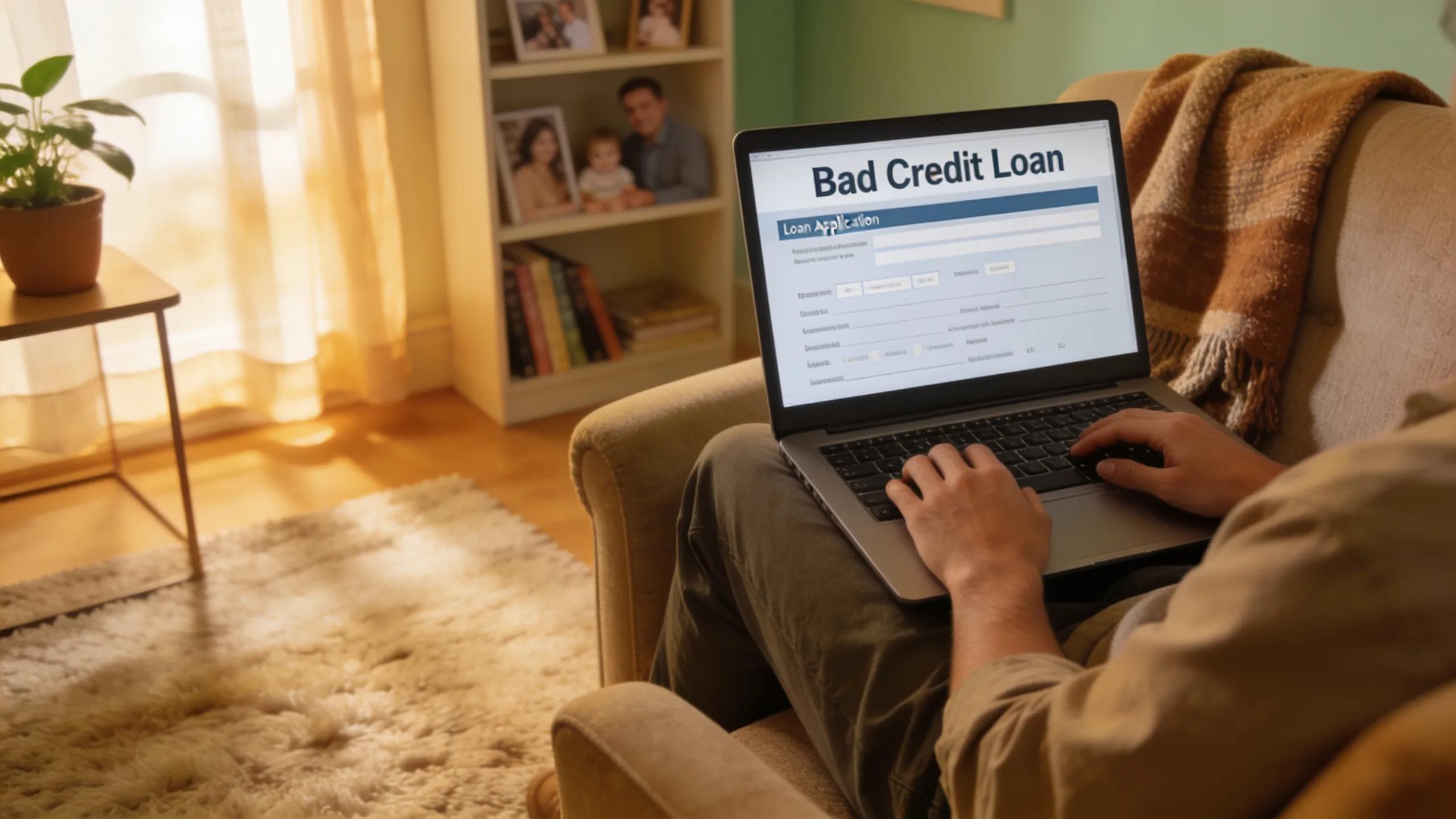



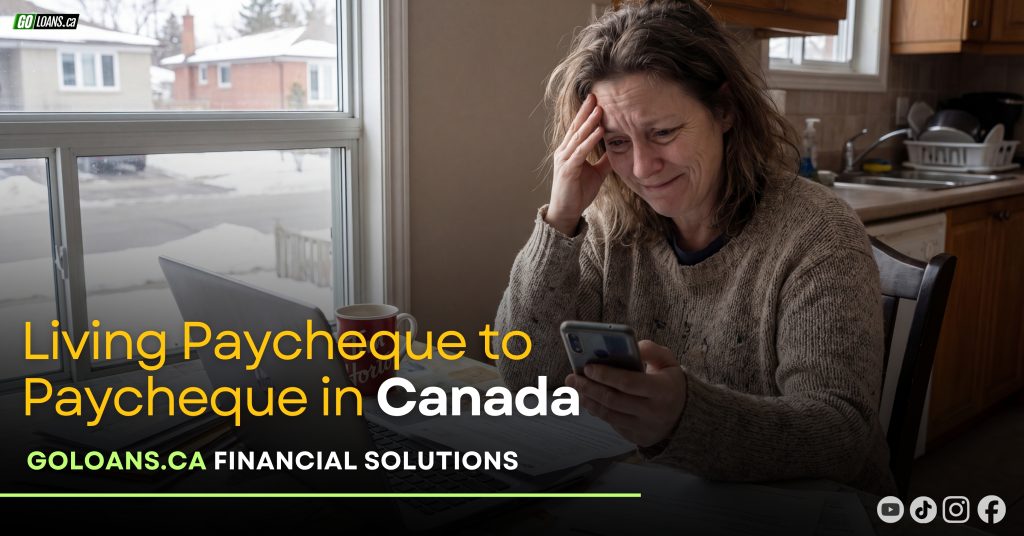
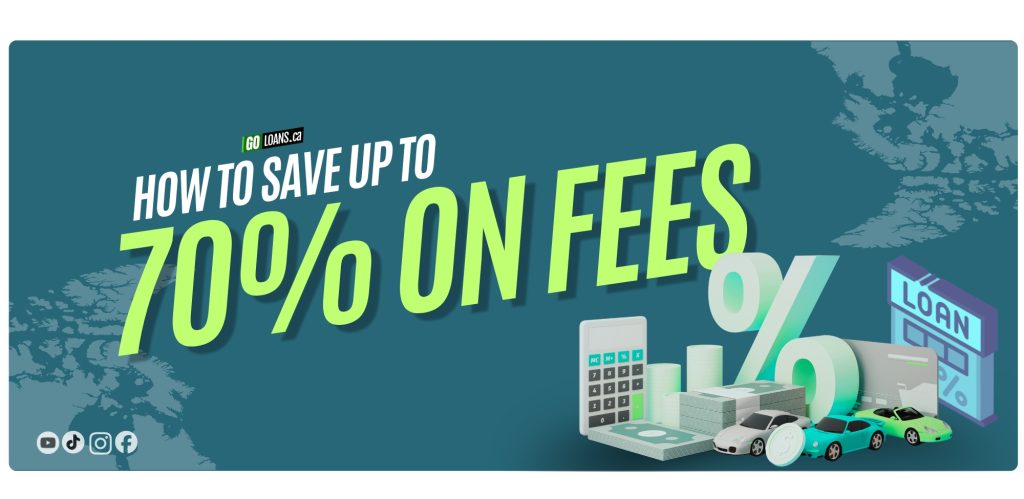
Recent Comments